Latest · Comparison

Independent astronomy gear guidance • calculators • dark-sky field guides
Equipment before hype
Choose better gear. See more sky.
Build an astronomy setup around the sky you actually have, the targets you actually want to see, and the equipment you will actually carry outside.
No single “best telescope.” The right system is the one that fits your targets, mount, storage, transport, budget, and observing conditions.
Ready to shop?
Research the complete setup, not just the headline product.
Build a focused marketplace search or jump straight to the most common upgrade paths.
Holiday gift guides
Giving a telescope, or shopping for someone who has one?
Match the gift to the person. Skip the magnification hype, check the few things that decide fit, and give something that actually gets carried outside.
Optical systems
Start with the instrument, but buy the complete setup.
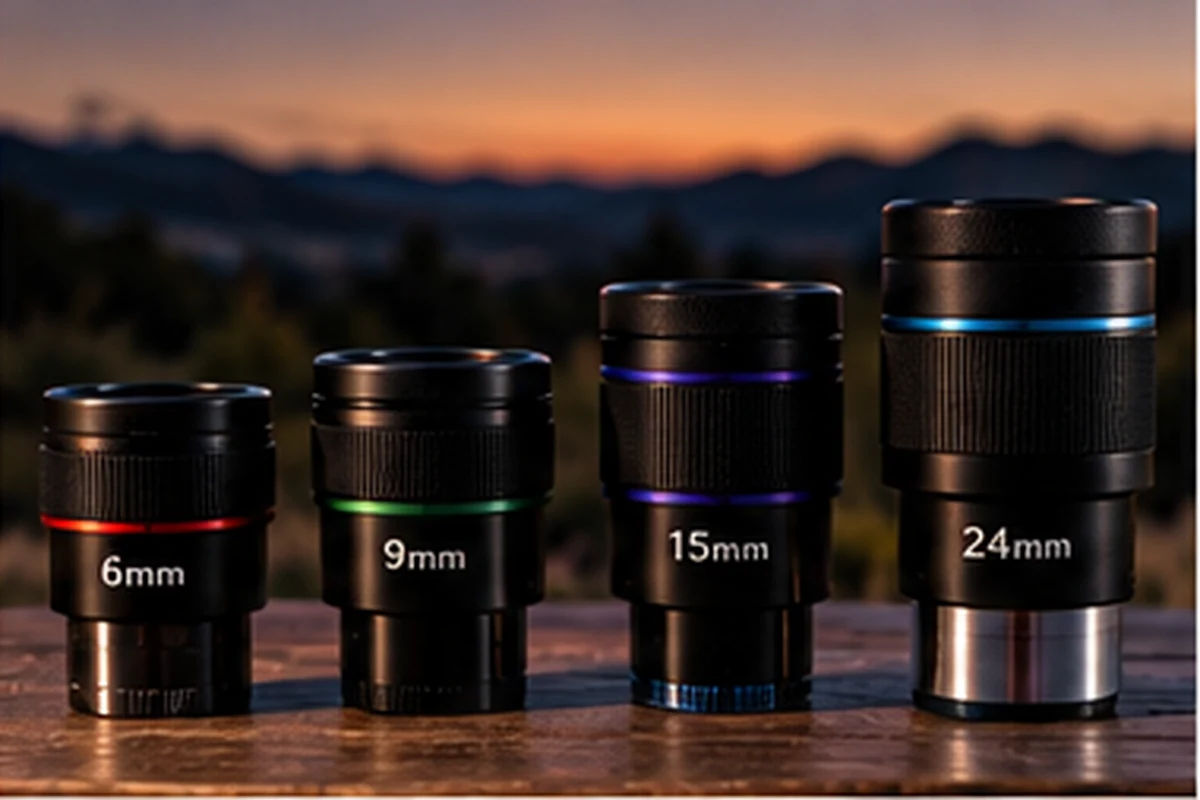
A telescope is only useful when its mount, eyepieces or camera, power, accessories, storage, and observing site all work together.
Refractor Telescopes
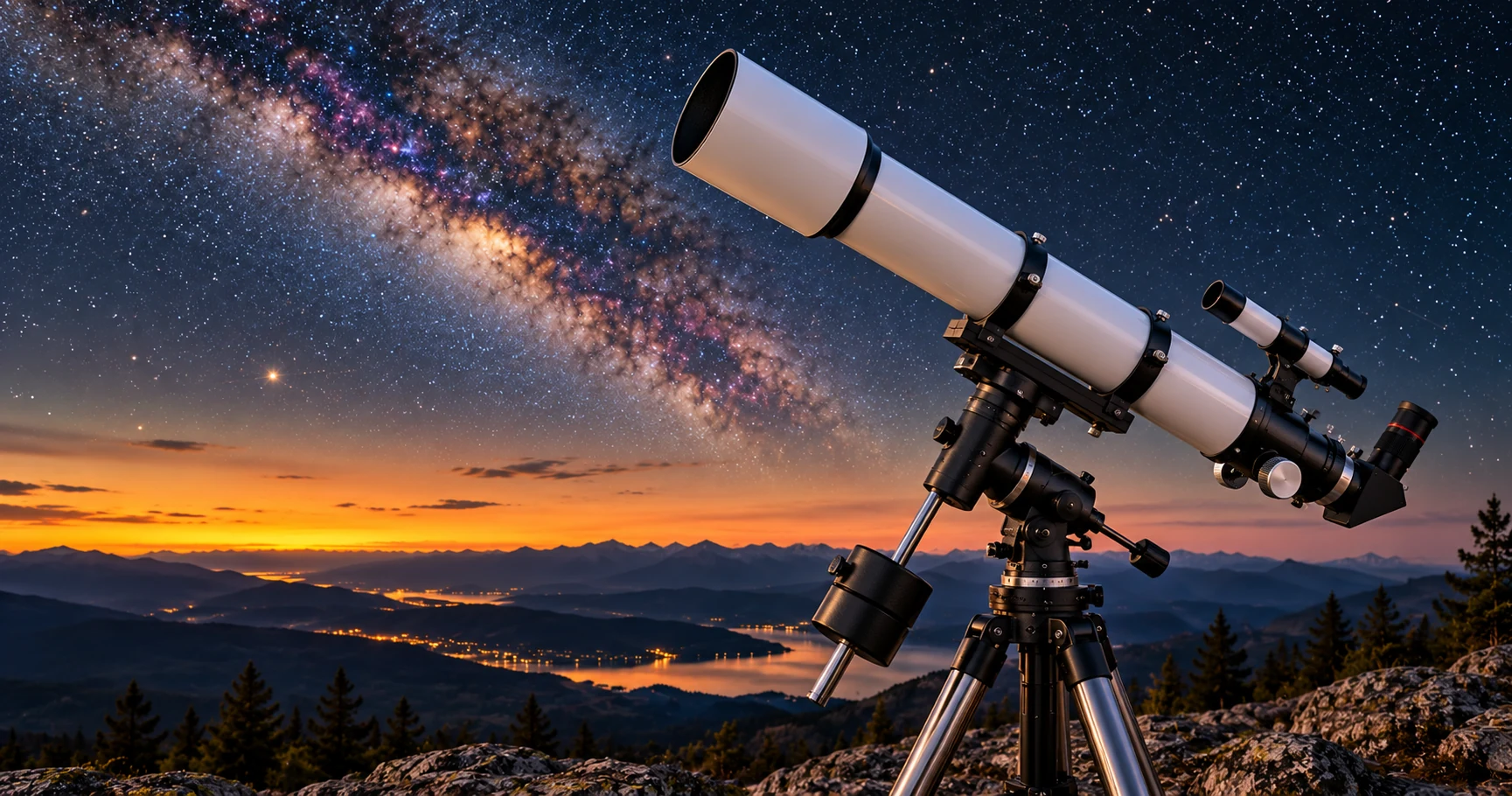
Lenses, contrast, portability, chromatic correction, and realistic aperture expectations.
Open guide →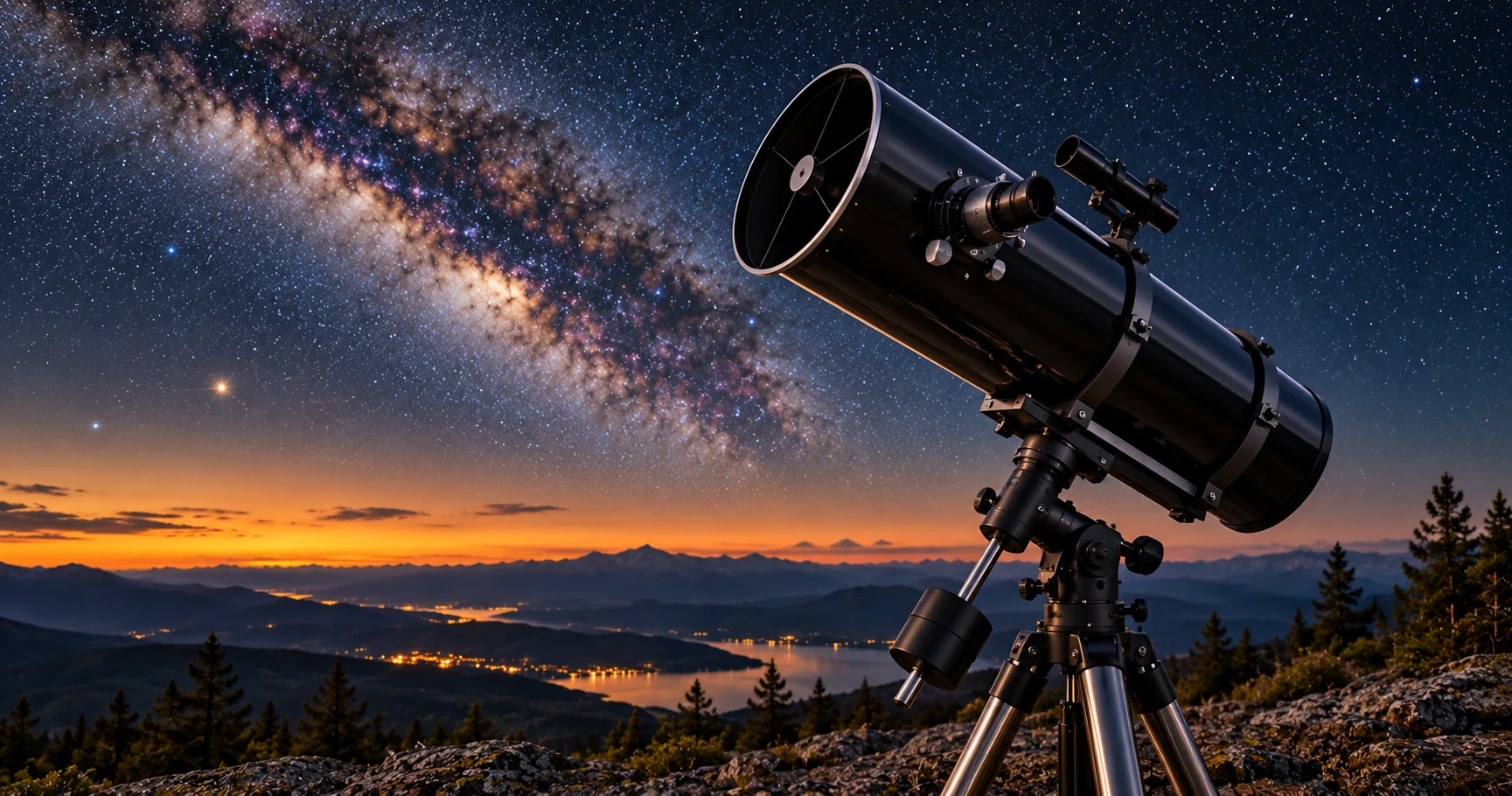
Reflector Telescopes
Mirror-based instruments, aperture value, collimation, coma, cooling, and transport.
Open guide →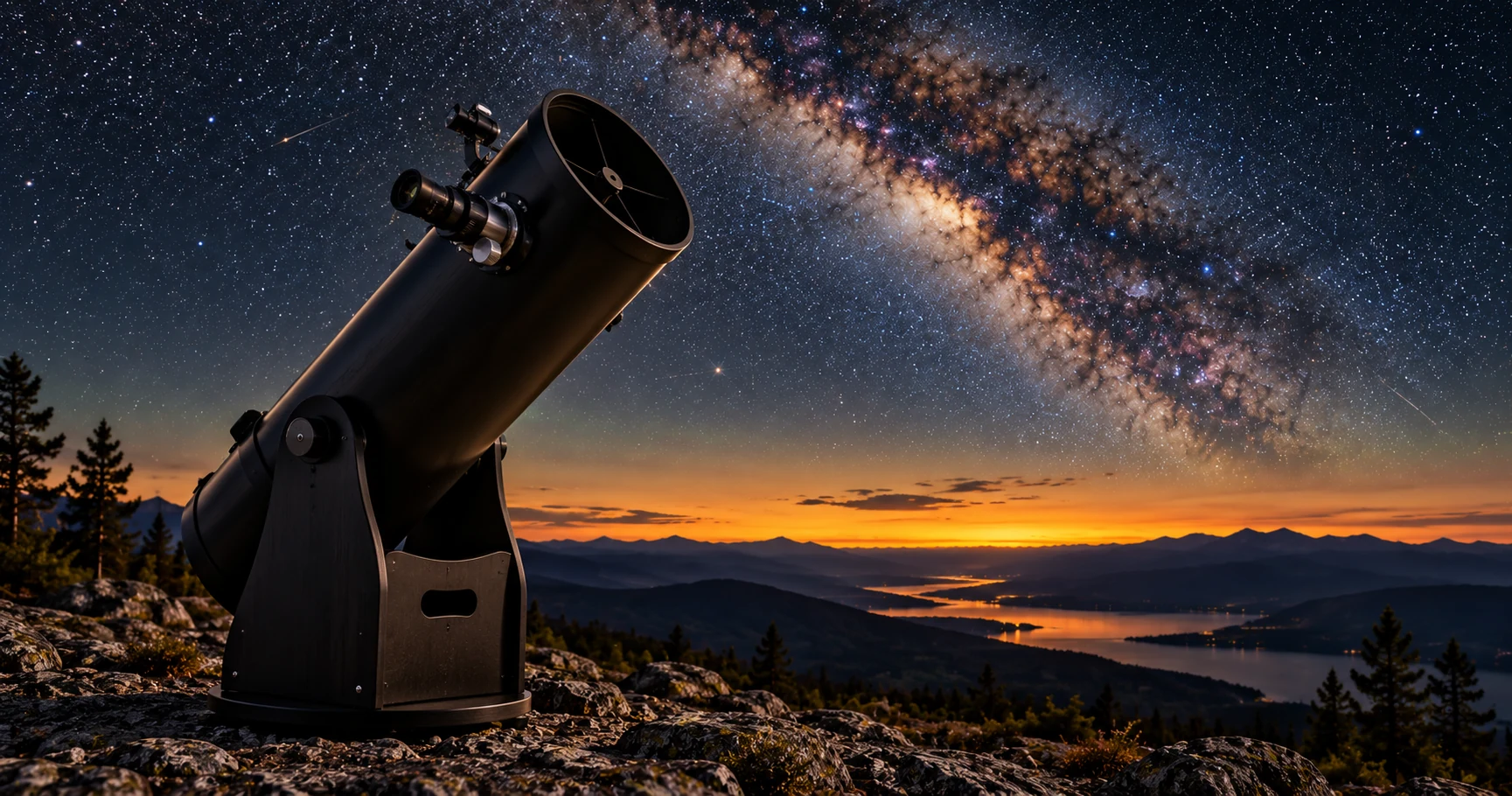
Dobsonian Telescopes
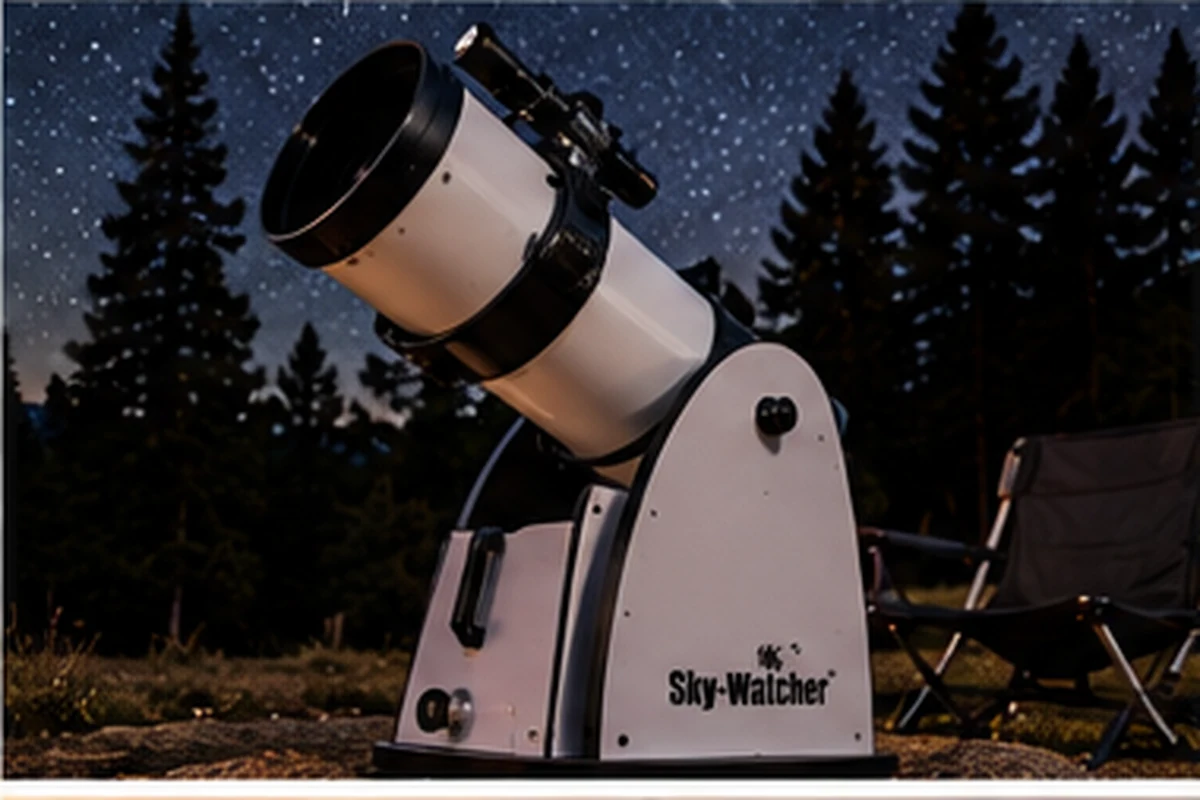
Simple altitude-azimuth mounting, large visual aperture, storage, and movement at the eyepiece.
Open guide →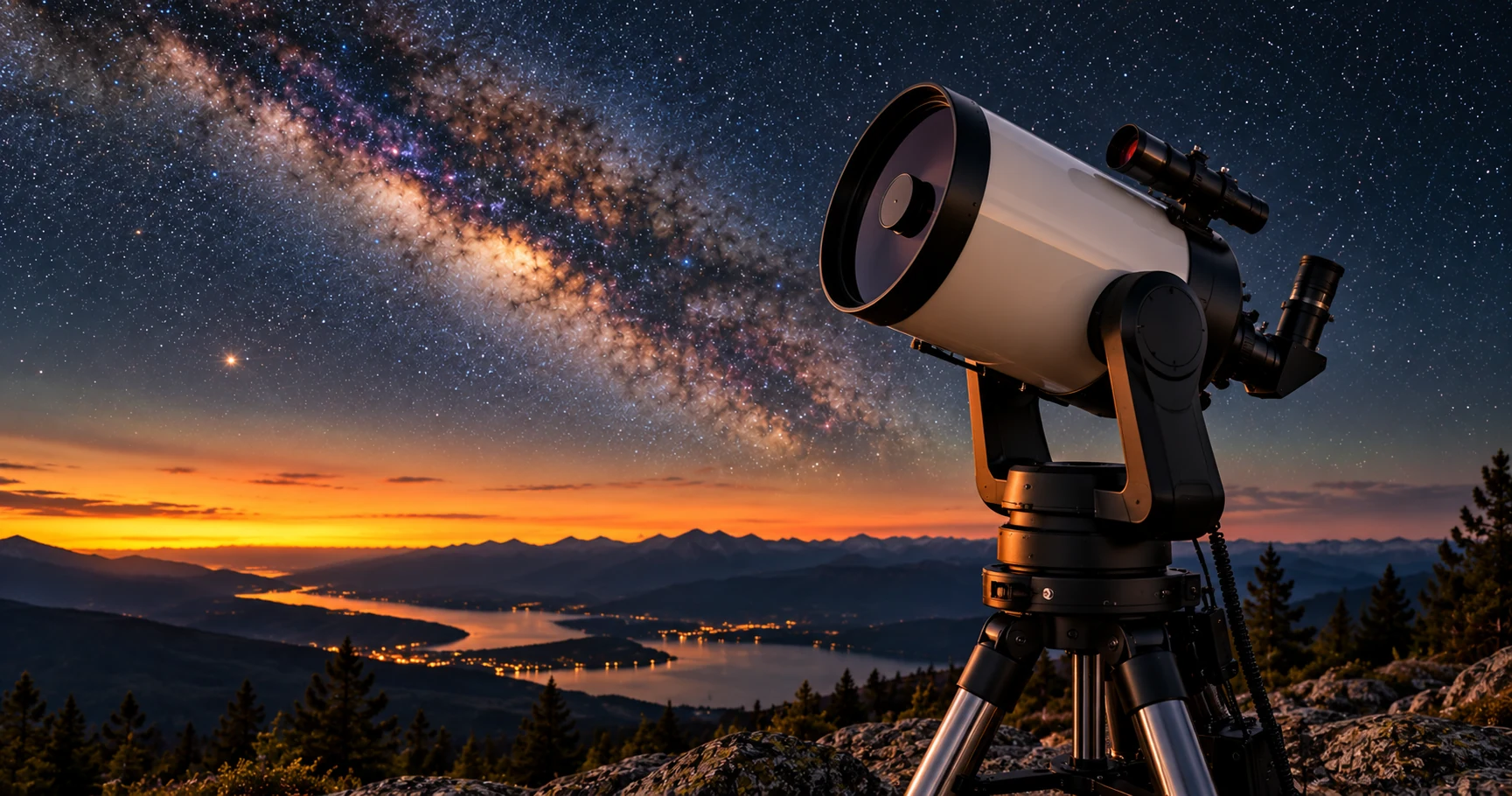
Schmidt-Cassegrain Telescopes
Compact long-focus systems, dew control, cooling, reducers, and mount demands.
Open guide →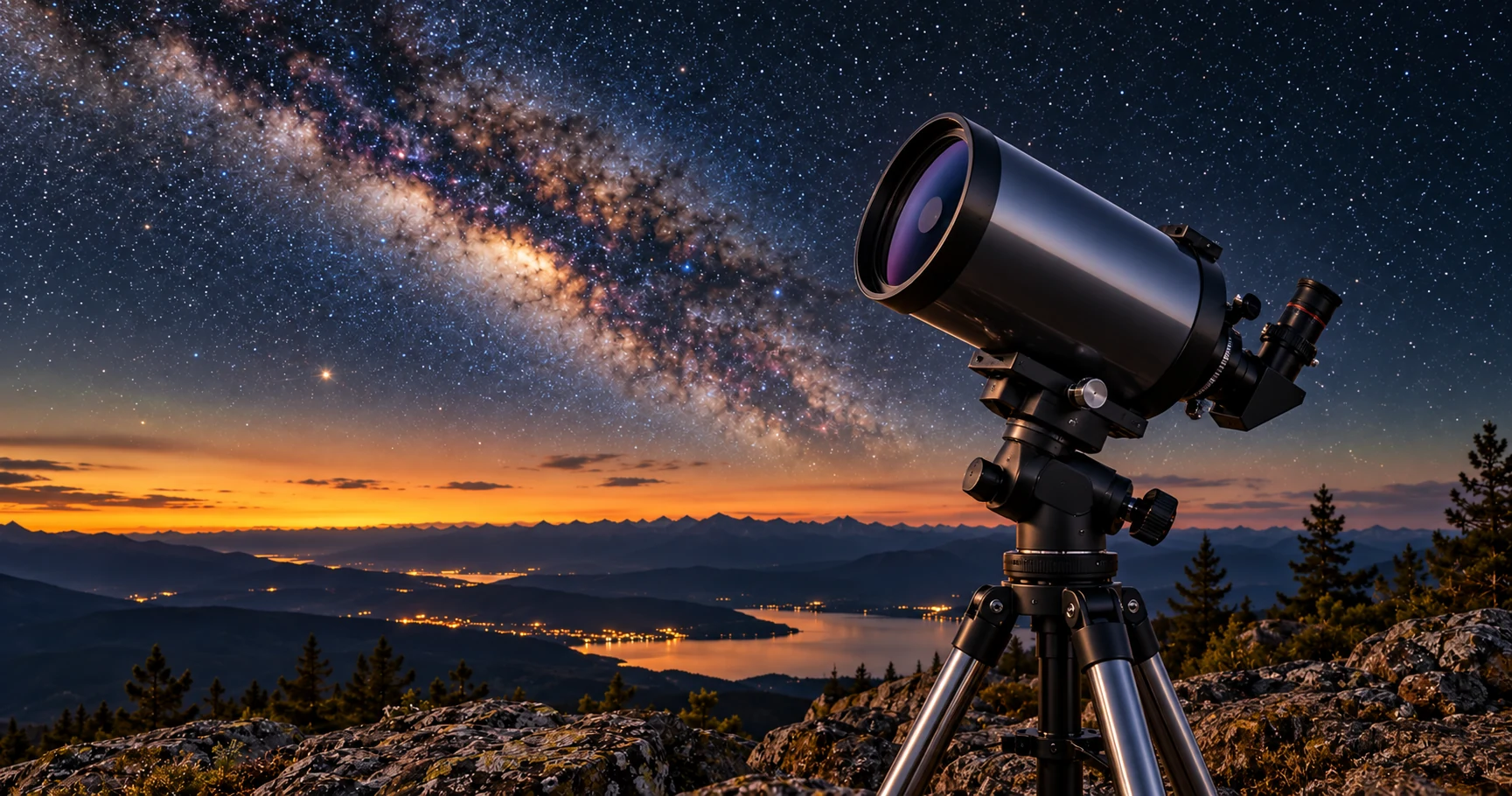
Maksutov-Cassegrain Telescopes
Compact high-power optics for lunar, planetary, double-star, and travel use.
Open guide →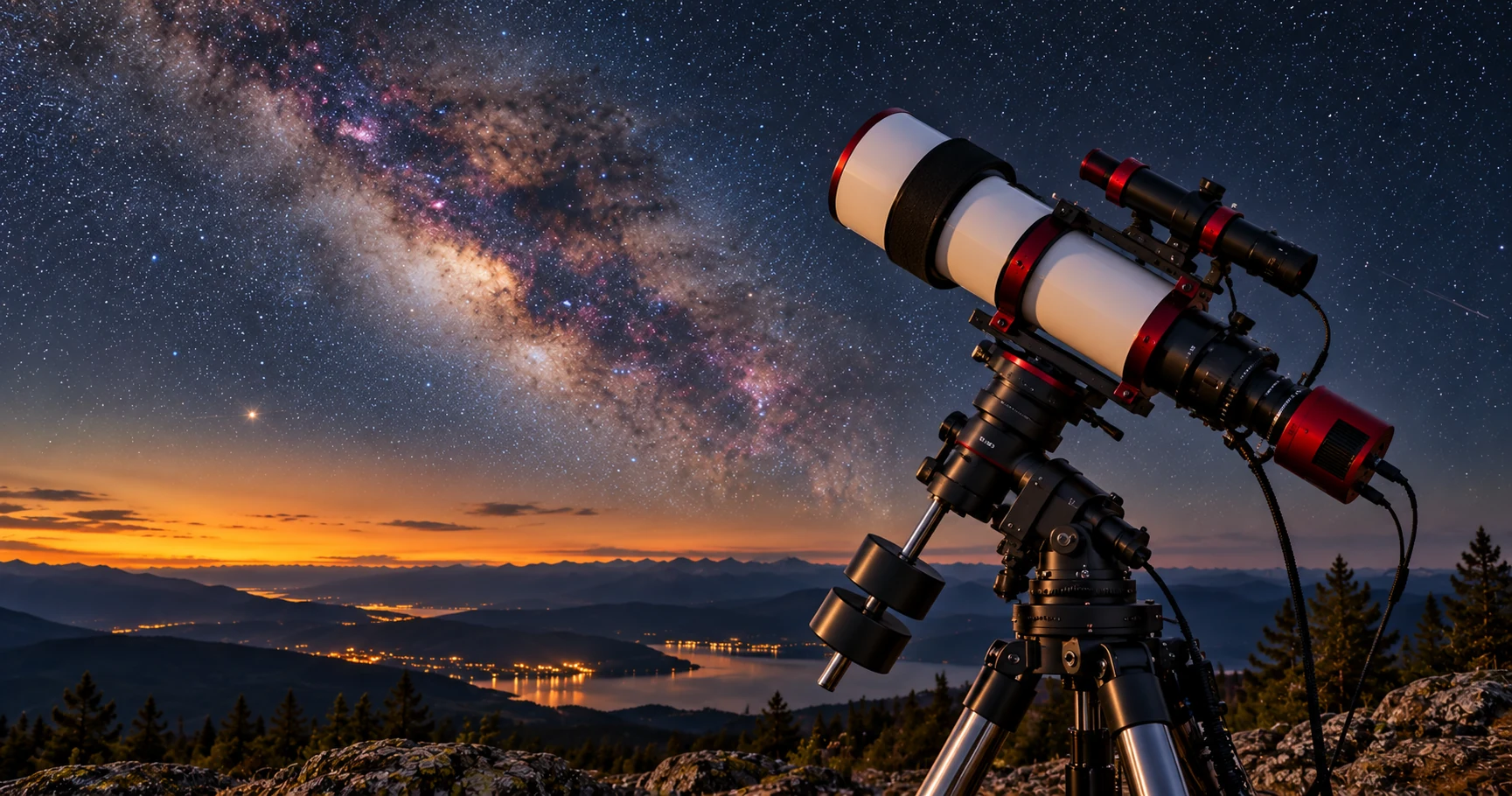
Ritchey-Chrétien Telescopes
Dedicated imaging systems, backfocus, collimation, field correction, and mount capacity.
Open guide →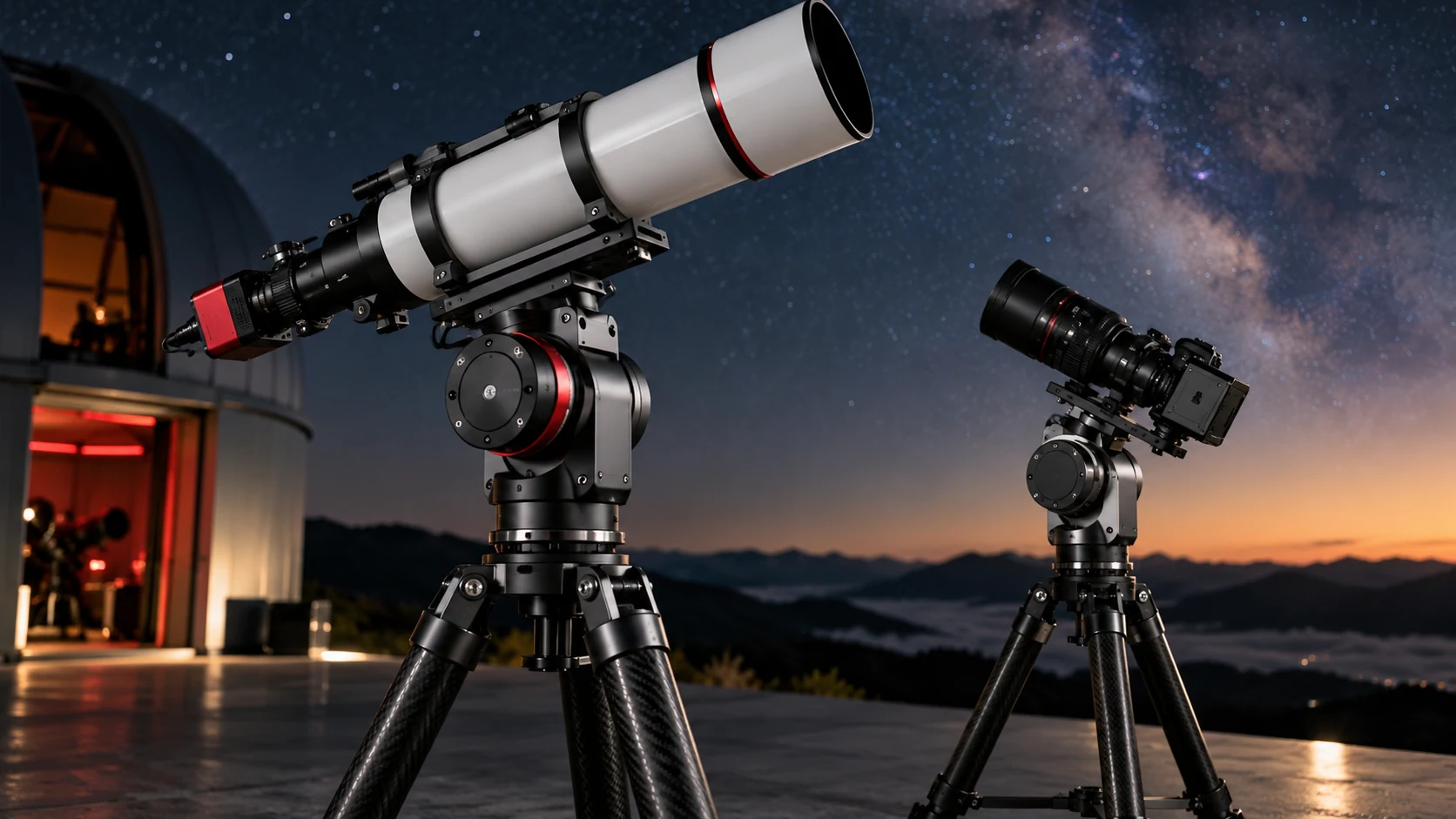
Astrographs
Fast imaging optics designed around illuminated field, sensor coverage, and correction.
Open guide →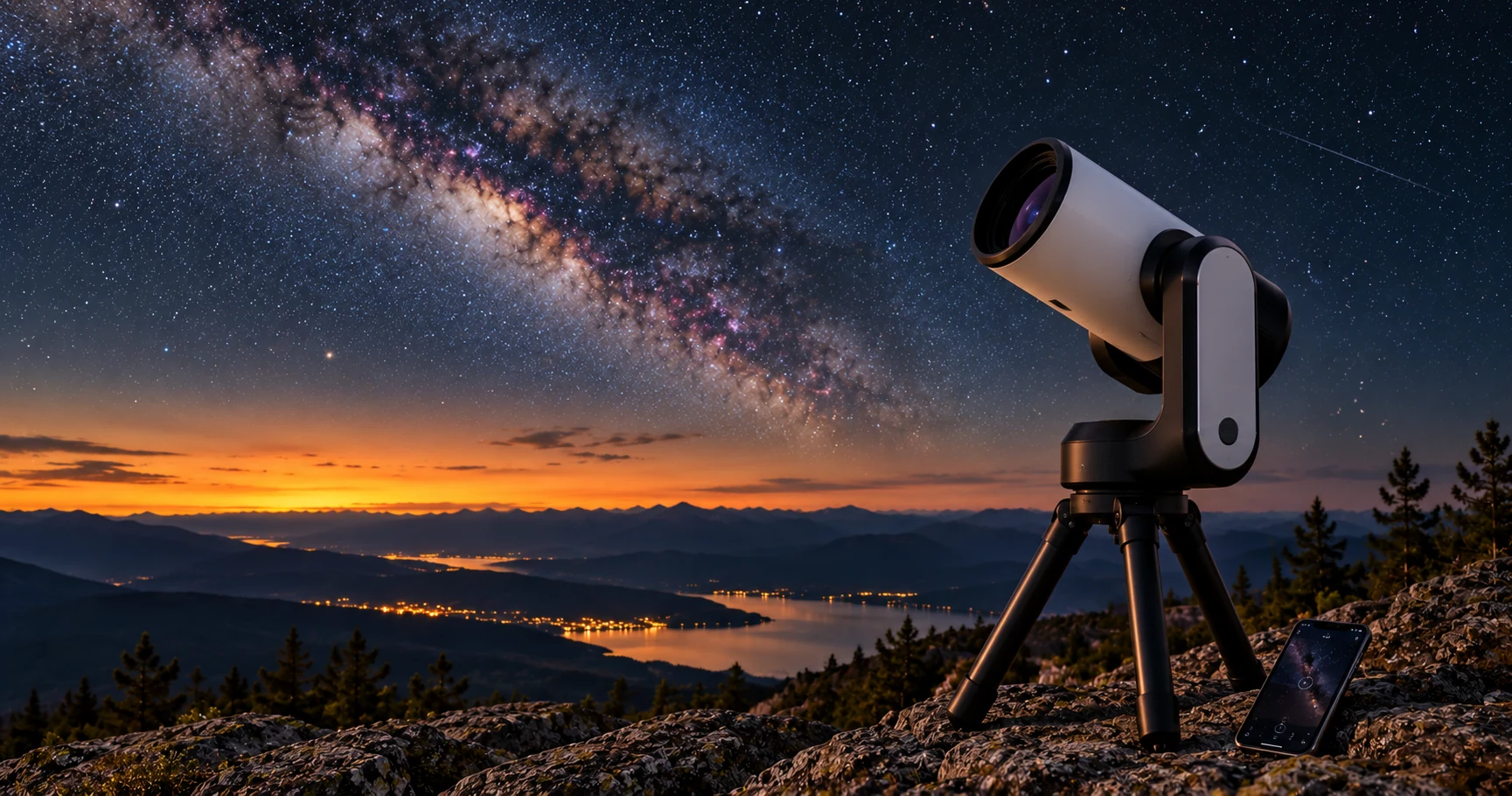
Smart Telescopes
Integrated imaging, plate solving, stacking, portability, subscriptions, and data ownership.
Open guide →
Collector workbench
Run the numbers before buying adapters.
Calculate magnification, exit pupil, approximate true field, image scale, and sensor field. Then check backfocus, threads, and actual clear aperture.
Worldwide observing
Ohio is home base. The night sky is global.
Plan gear around access, altitude, humidity, wind, dust, temperature, power, transport, and local rules.
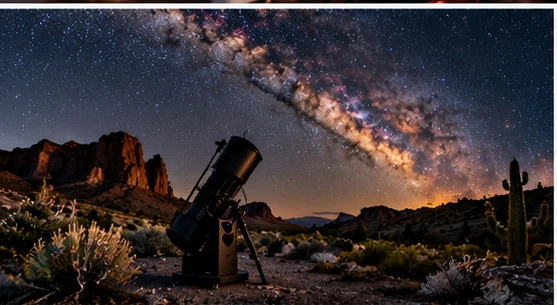
Big Bend National Park
One of the premier lower-48 stargazing landscapes, with sparse settlement and broad desert horizons.
Open guide →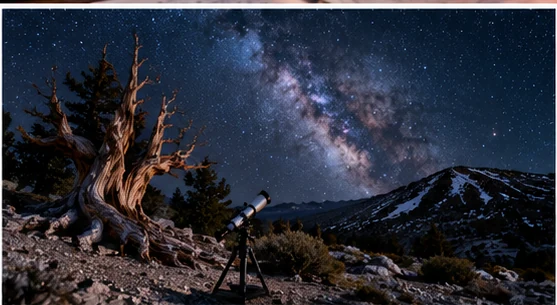
Great Basin National Park
High-elevation observing, astronomy programs, cold nights, and remote logistics.
Open guide →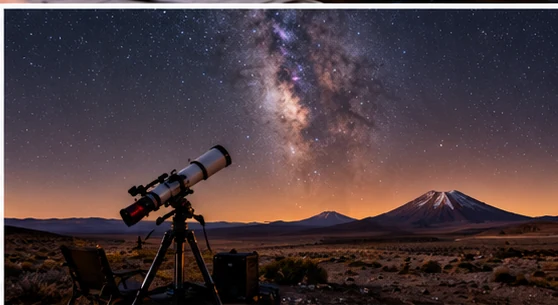
San Pedro de Atacama
High, dry desert skies and a mature astrotourism ecosystem near major scientific observatories.
Open guide →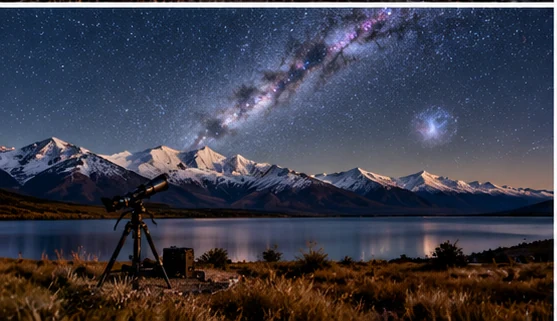
Aoraki Mackenzie Dark Sky Reserve
A major Southern Hemisphere reserve combining alpine scenery with protected night skies.
Open guide →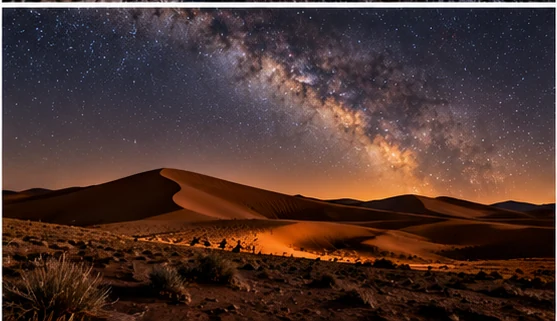
NamibRand Nature Reserve
Exceptional desert darkness, remote lodging, dust, and carefully managed access.
Open guide →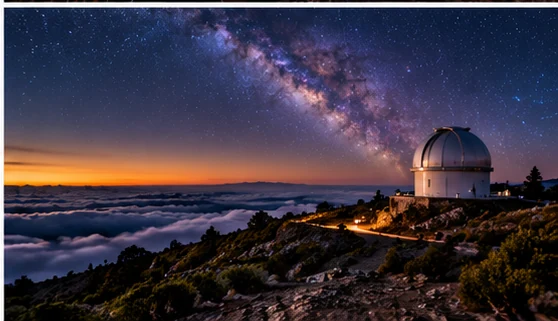
La Palma
Observatory island with strong sky-protection traditions, altitude, trade winds, and controlled access.
Open guide →Build by observing goal
Different targets reward different systems.
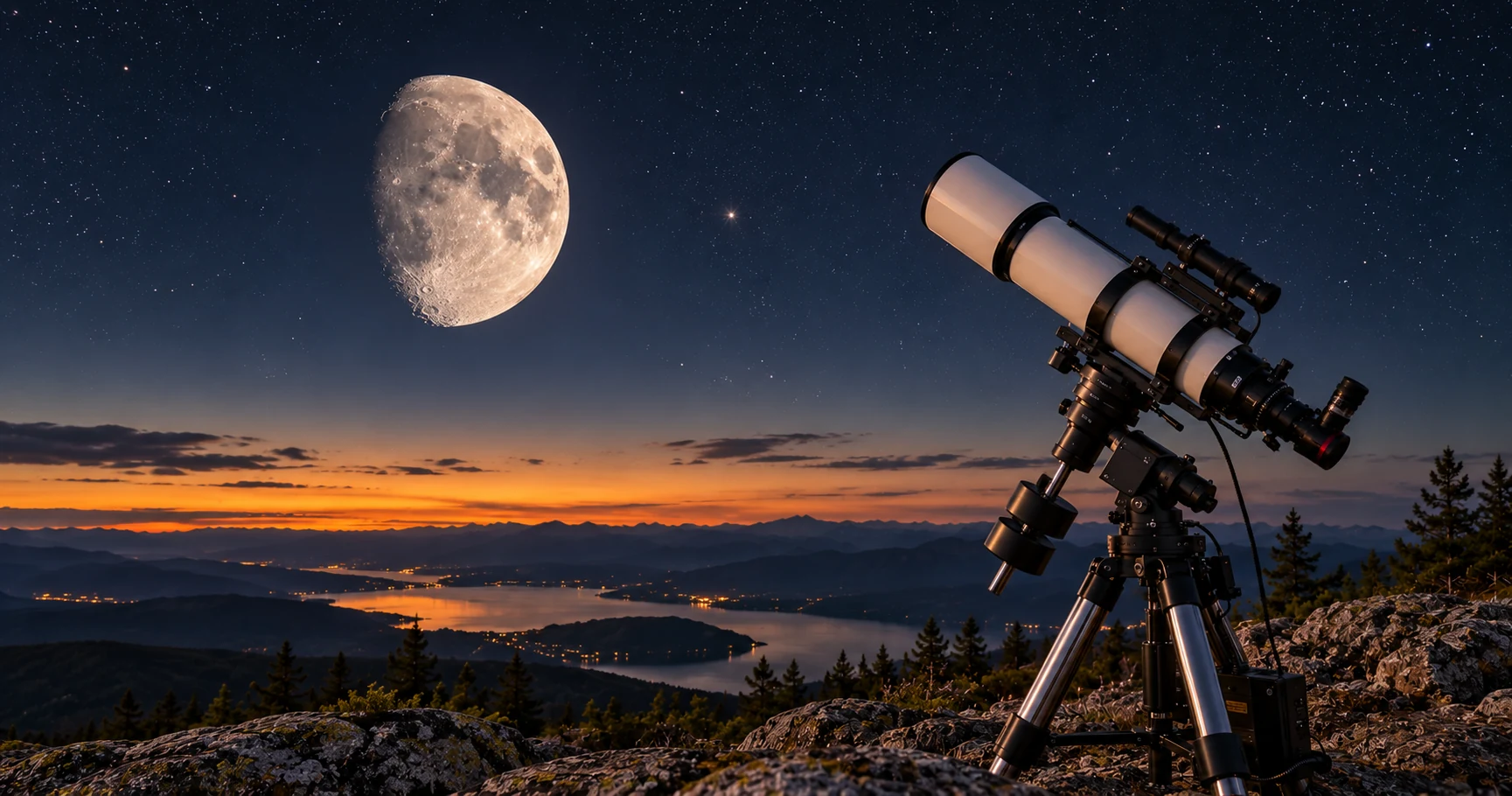
Moon Observing
High-resolution detail, changing illumination, filters, and practical magnification.
Open guide →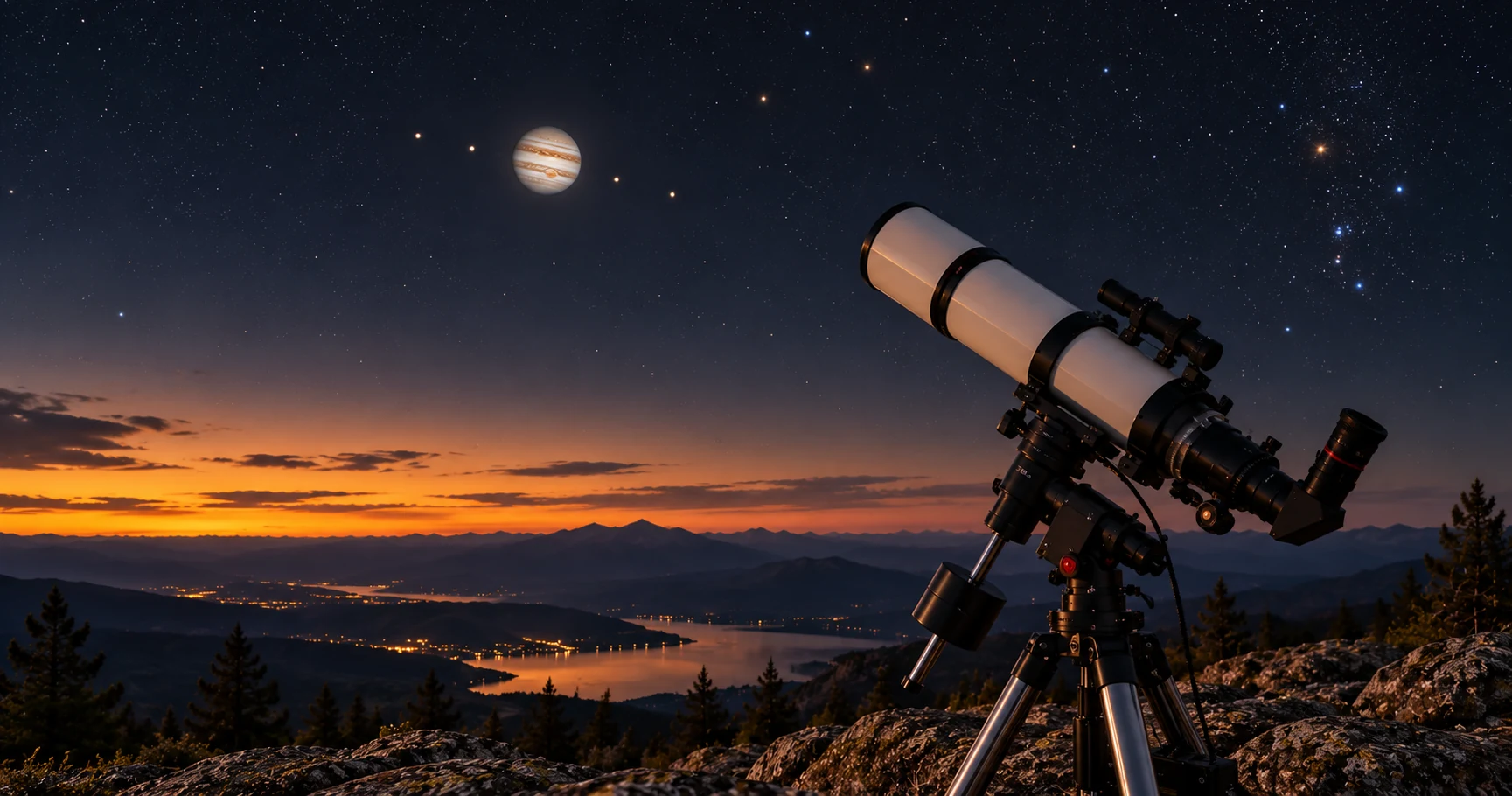
Planet Observing
Seeing, cooling, collimation, high magnification, color, and patient observation.
Open guide →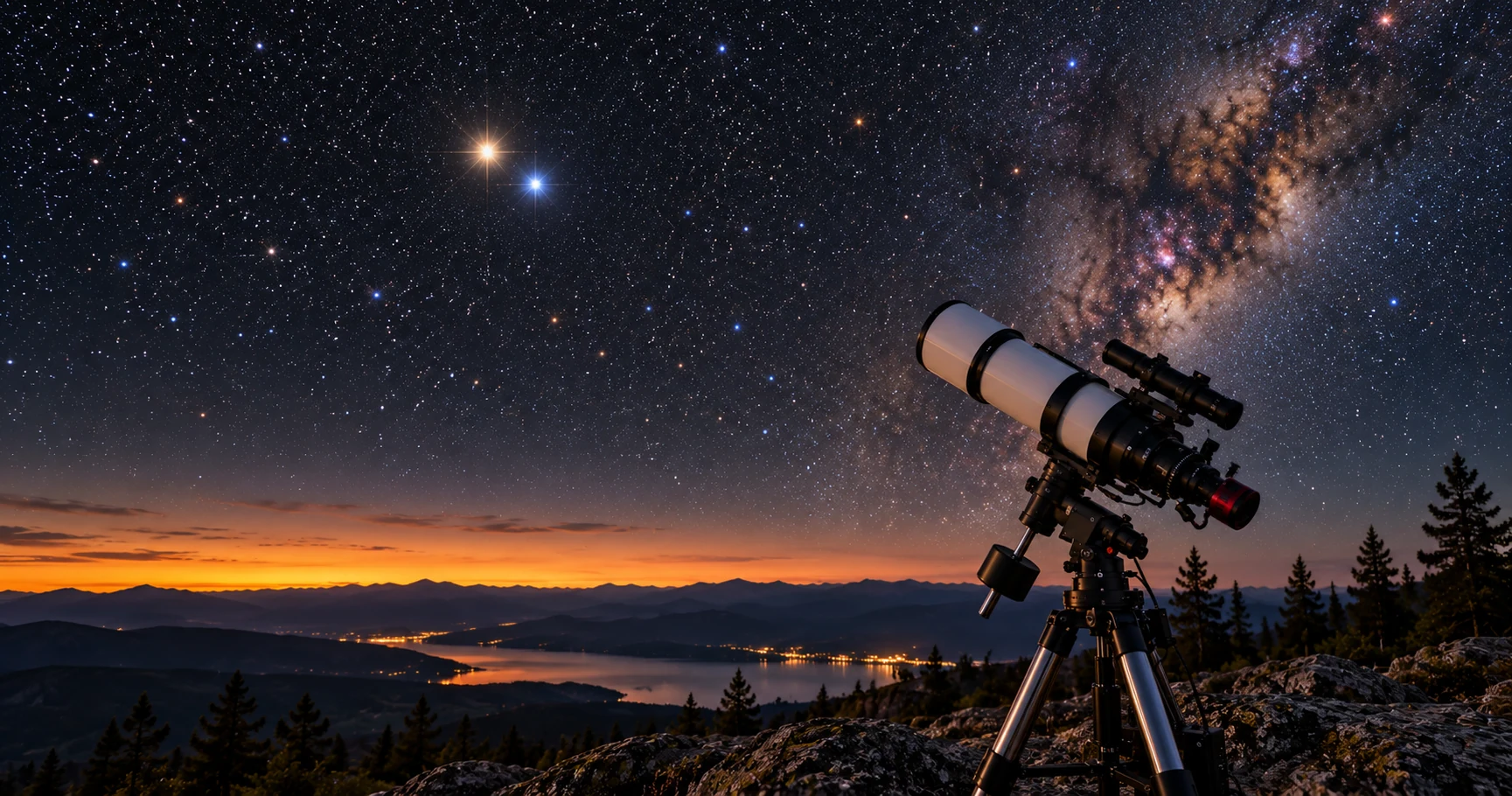
Double-Star Observing
Resolution, diffraction patterns, optical quality, and precise focusing.
Open guide →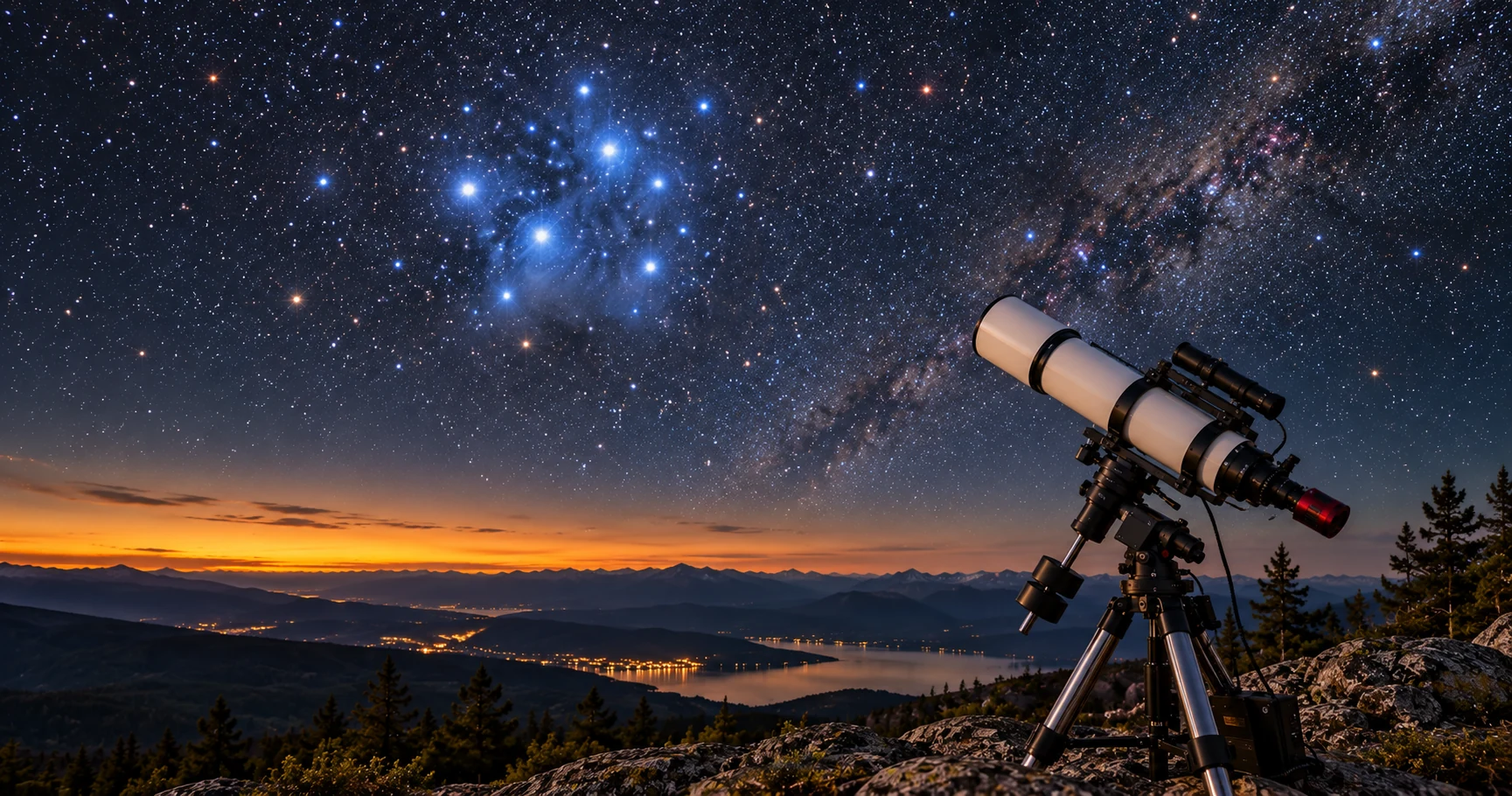
Open Cluster Observing
Wide fields, dark backgrounds, binoculars, and low-to-medium magnification.
Open guide →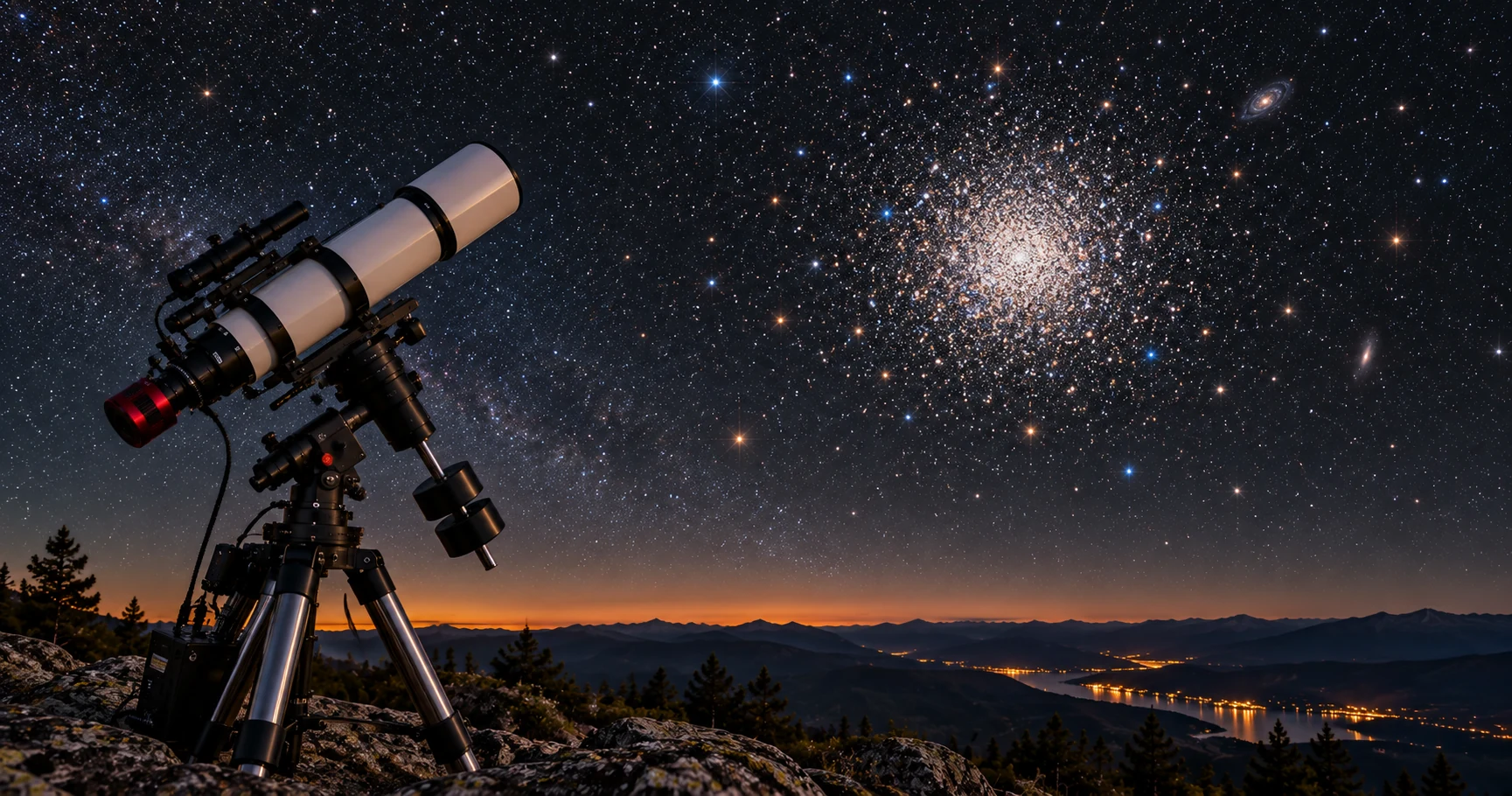
Globular Cluster Observing
Aperture, magnification, seeing, and resolving dense stellar cores.
Open guide →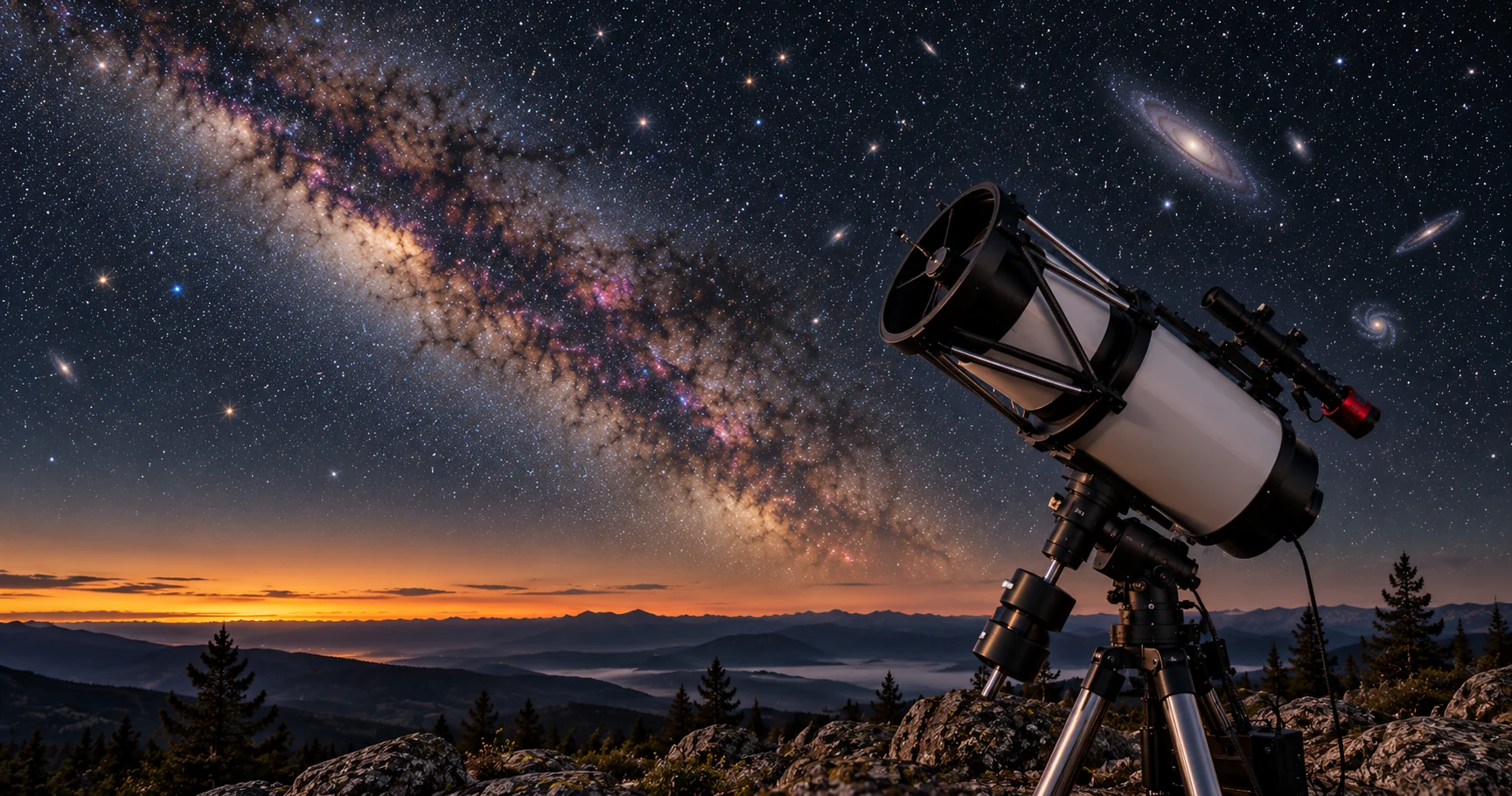
Galaxy Observing
Dark skies, aperture, exit pupil, averted vision, and realistic expectations.
Open guide →Used equipment
The bargain is the complete, working system.
Inspect optics, mechanics, electronics, serials, controllers, adapters, power, and missing proprietary pieces before price.